

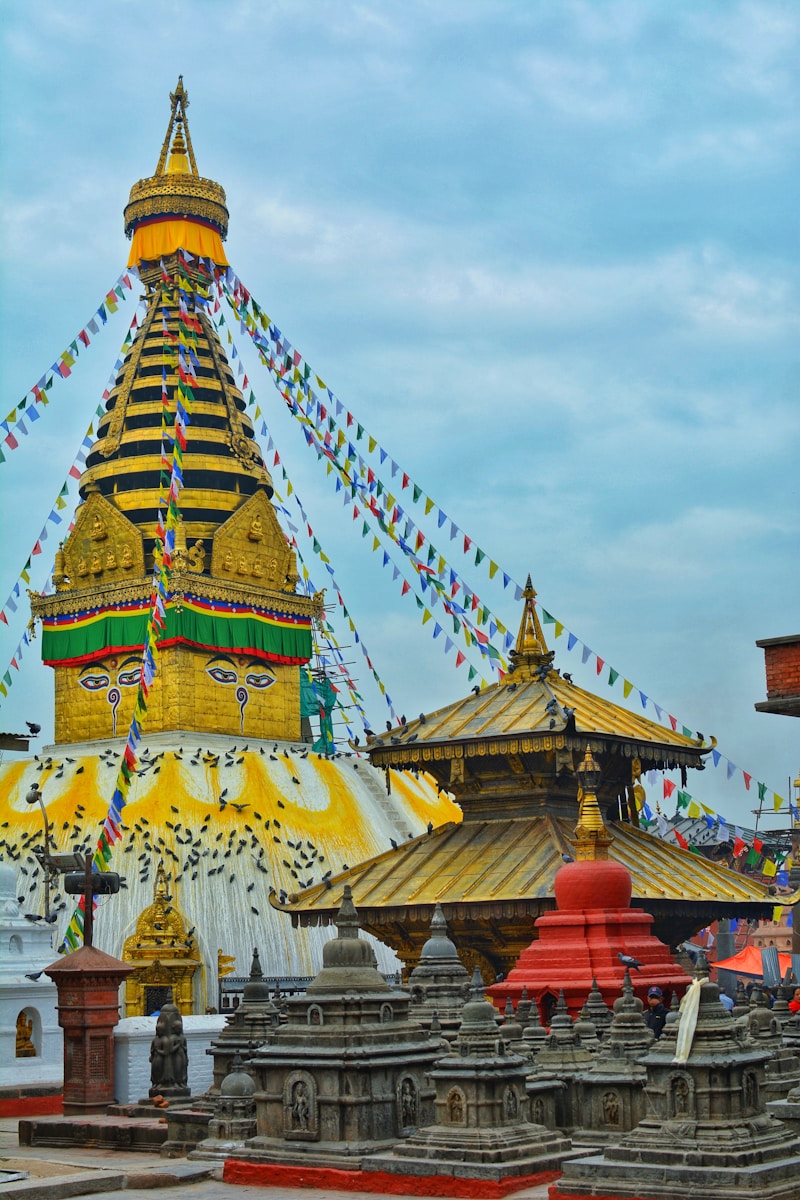
Nepal
Nepal, a landlocked country nestled between the two Asian giants, India and China, is renowned as a land of amazing extremes due to its unique geographical position and altitudinal variation. The country’s diverse topography includes elevations ranging from just 70 meters above sea level to the world’s highest point, Mt. Everest (8,848 meters), all within a distance of 150 kilometers. This geographical diversity contributes to a climate that varies from subtropical in the lowlands to arctic in the high altitudes. Nepal also boasts a rich and vibrant cultural landscape. It is home to a mosaic of ethnic groups, each with its own distinct culture, language, and dialect. Despite being blessed with abundant natural resources, the country faces economic challenges due to underutilization of these resources, political instability, and other socio-economic factors. These challenges have led to rising unemployment and low wages, prompting many Nepalese to seek opportunities abroad. Known for their friendly nature and dedication to hard work, Nepalese workers are highly valued by employers worldwide. This growing demand has established Nepal as one of the leading manpower-exporting nations to Gulf and Middle Eastern countries.
• Area: 147,181 sq. km
• Geography: Located between the Tibet Autonomous Region of China to the north and India to the east, west, and south.
• Capital: Kathmandu
• Population: Approximately 30 million (2021 census)
• People: Nepal is home to over 100 ethnic groups and more than 70 spoken languages.
• Language: Nepali is the official language; English is widely used in government offices
and educational institutions.
• Currency: Nepalese Rupee (NPR)
• Time Zone: GMT +5:45
• Climate: Subtropical in the lowlands to arctic in the high altitudes.
• Religion: Nepal is a secular country with a harmonious blend of Hinduism and Buddhism.